
AI & EdTech: Redefining the International Student Journey
The journey to studying abroad is not what it used to be. In the past, applying to international universities often meant dealing with confusing websites, endless paperwork, visa stress, and long waiting periods. For many students, the process felt overwhelming even before classes began.
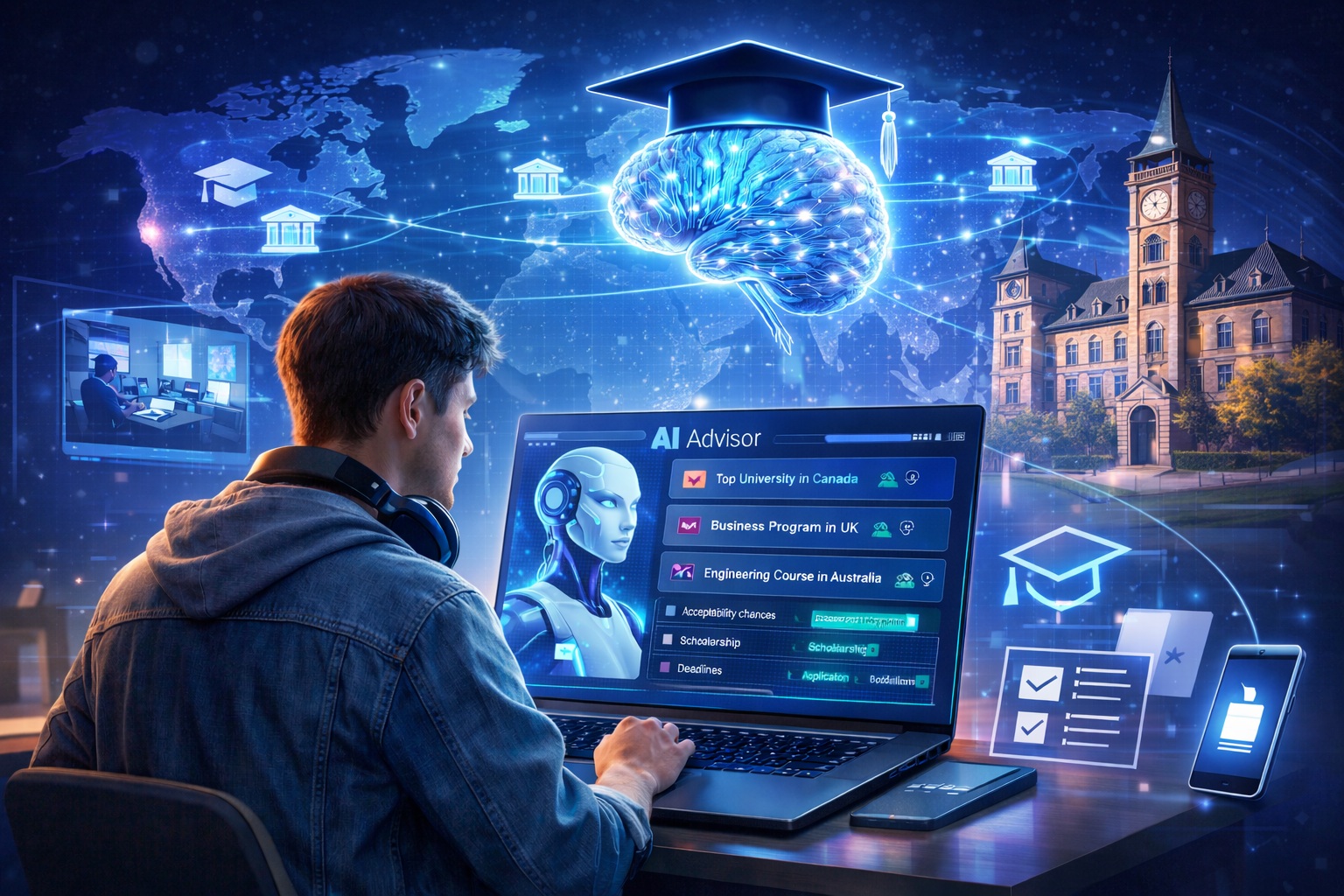
Today, Artificial Intelligence and Education Technology (EdTech) are quietly transforming this experience. From choosing a university to settling into campus life, technology is making the global study journey smoother, faster, and more personalized.
The Rise of Hybrid Learning
One of the biggest changes is the growth of hybrid learning. Students, especially working professionals, no longer have to choose between earning money and continuing their education. Many programs now allow students to begin their degrees online from their home country and later move abroad to complete them.
This shift is more than just convenience. It helps reduce financial pressure. Living overseas can be expensive, and not everyone can afford to relocate for several years. Hybrid models lower costs by reducing time spent abroad while still offering access to respected international degrees. For students with family responsibilities or caregiving duties, this flexibility makes global education possible without completely disrupting their lives.
Smarter University Search and Planning
Finding the right university used to take weeks of research. Students had to compare brochures, websites, rankings, and admission criteria on their own. It often felt like searching for one perfect option among thousands.
Now, AI-powered platforms simplify this process. Instead of giving general suggestions, modern tools analyze a student’s academic background, budget, interests, and career goals to recommend suitable programs. This makes the search more focused and realistic.
Technology can also provide predictive insights. By studying past admission trends, some platforms help students understand their chances of acceptance. This allows them to create a balanced list of ambitious, moderate, and safe choices.
Another major advantage is instant support. AI chat assistants can answer questions about deadlines, documents, scholarships, or visa rules at any time of day. Students no longer have to wait for replies across time zones.
Making Admissions and Visas Less Stressful
The application process can feel stressful because even a small mistake can cause delays or rejection. Today, technology acts like a safety net. Automated systems help organize documents such as transcripts, financial records, and test scores. They ensure everything is uploaded correctly and in the required format. Writing tools also assist students in refining their personal statements, especially for non-native English speakers, while keeping their original voice intact.
Visa applications have also become more manageable with online guidance platforms. Step-by-step instructions, reminders for appointments, and clear explanations about financial proof reduce confusion. While the responsibility still lies with the student, technology reduces the risk of simple administrative errors.
A More Personalized Classroom Experience
Once students reach campus, EdTech continues to play an important role. Traditional “one-size-fits-all” lectures are slowly being replaced by adaptive learning systems. If a student struggles with a topic, the system can suggest additional practice material or alternative explanations.
Immersive technologies are also changing how students learn practical skills. Medical students can practice procedures in virtual simulations. Architecture students can explore their 3D building designs before construction begins. Engineering students can test machinery models digitally. These tools allow learning through experience without real-world risks.
Universities are also using data to support students better. Predictive systems can identify early signs of academic struggle and alert advisors. This allows institutions to offer help, such as tutoring or counseling, before problems become serious.
Balancing Technology with Human Connection
As AI and EdTech continue to grow, the goal is not to replace teachers or human interaction. Instead, technology removes the complicated and repetitive parts of the process, allowing more time for mentorship, cultural exchange, and meaningful learning experiences.
The future of international education is becoming more transparent, personalized, and accessible. Students can focus less on paperwork and confusion and more on making confident decisions about their future.
For the next generation of international students, studying abroad will not be about managing complexity. It will be about using smart tools to create clearer, stronger, and more informed pathways toward global careers.
